How Exercise Supports Weight Loss: The Foundations
Learn how exercise contributes to weight loss, from calorie burn to metabolic health, and why it forms the foundation of a sustainable weight loss journey.
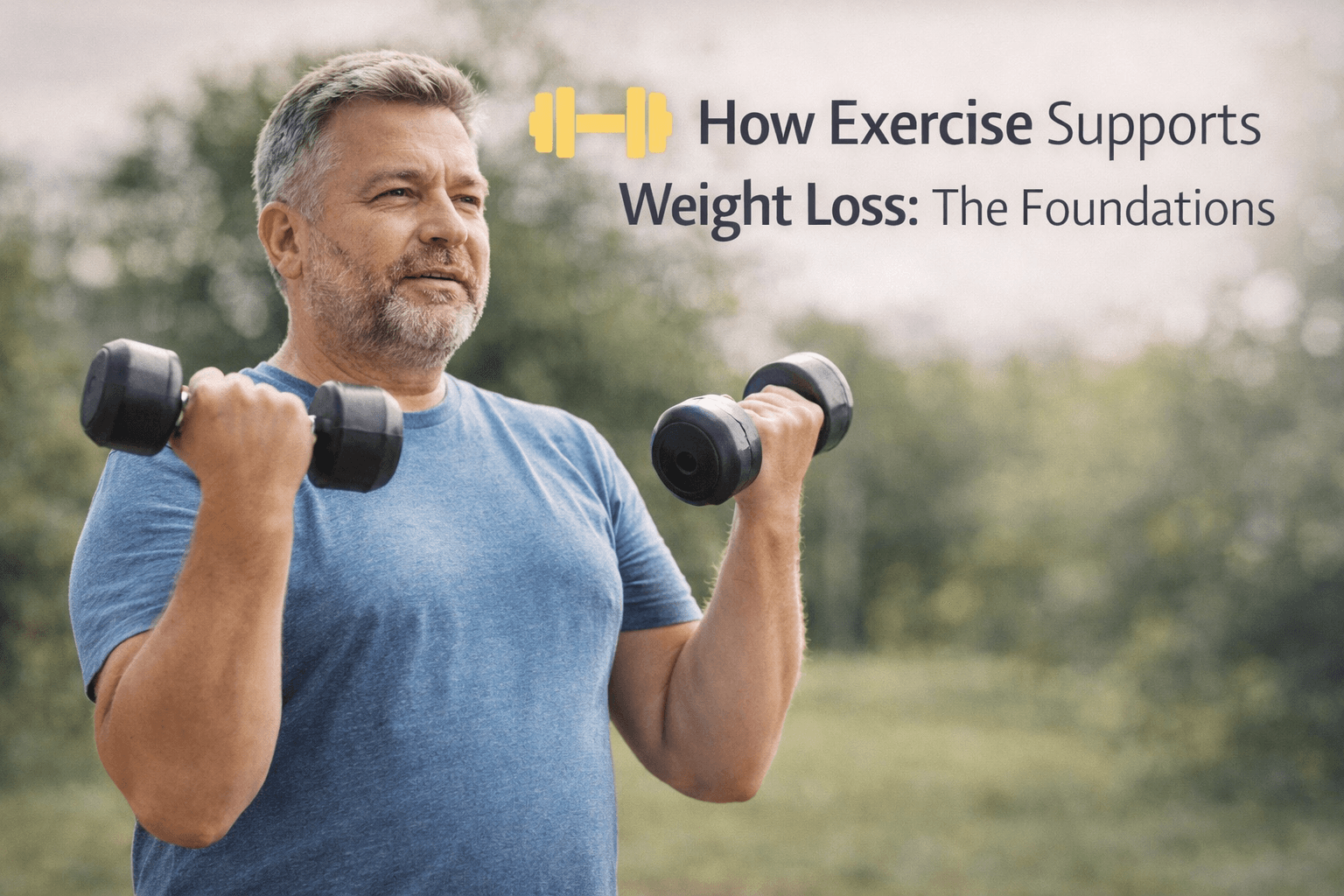
How Exercise Supports Weight Loss: The Foundations
Weight loss is often associated with diet alone, but exercise plays a critical role in both achieving and maintaining a healthy weight. Understanding how physical activity contributes to weight loss is essential for building a sustainable and realistic approach.
Calorie Balance and Energy Expenditure
At its core, weight loss occurs when the body uses more energy (calories) than it consumes. Exercise increases your daily energy expenditure, helping to create this calorie deficit. Activities such as walking, cycling, and resistance training all contribute to burning calories, although the amount varies depending on intensity and duration.
However, exercise is not just about burning calories during the activity itself. It also influences how your body uses energy throughout the day.
Boosting Metabolism
Regular physical activity can support metabolic health. Strength training, in particular, helps build lean muscle mass, which slightly increases resting metabolic rate. This means your body burns more calories even when at rest.
Aerobic exercise, such as brisk walking or swimming, improves cardiovascular efficiency and supports overall energy use. Together, these forms of exercise create a more efficient system for managing body weight.
Supporting Fat Loss Over Time
While diet often drives initial weight loss, exercise plays a key role in ensuring that weight lost comes from fat rather than muscle. Preserving muscle mass is important not only for physical function but also for maintaining long-term weight stability.
Research suggests that combining diet and exercise leads to better body composition outcomes compared to dieting alone.
Building Consistency and Routine
One of the most important benefits of exercise is behavioural. Establishing a regular activity routine can reinforce healthy habits, improve motivation, and create structure in a weight loss journey. Even moderate activities, such as daily walking, can have meaningful long-term effects when done consistently.
A Sustainable Approach
Exercise should not be viewed as a quick fix, but as a long-term investment in health. For UK adults, current guidelines recommend at least 150 minutes of moderate-intensity activity per week, alongside muscle-strengthening exercises.
In the next article, we will explore how different types of exercise influence fat loss and which forms of activity are most effective for beginners.
References
NHS (2023). Physical activity guidelines for adults.
Harvard Health Publishing (2021). The truth about metabolism.
British Heart Foundation (2022). How exercise helps weight management.
Get weekly weight loss tips
Join our newsletter for provider updates, expert guidance, and exclusive offers — no spam.
Subscribe free