How to Start Exercising When You're Overweight and Out of Shape
Carrying extra weight and haven't exercised in years? Here's how to start gently, which joint-friendly activities to try first, and how to get past the self-consciousness that stops most beginners.
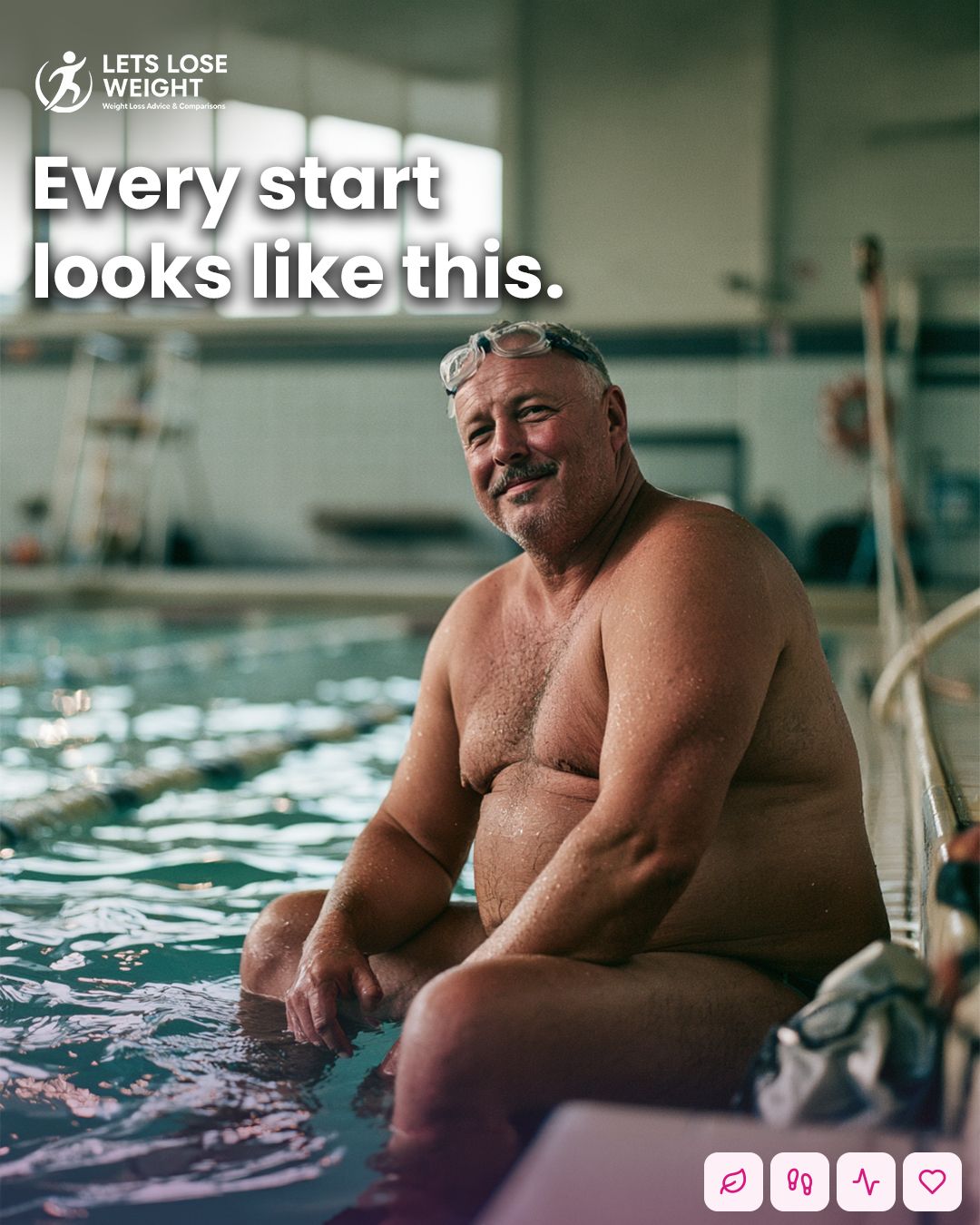
How to Start Exercising When You're Overweight and Out of Shape
The hardest part isn't the exercise. It's the walk into the leisure centre, or the first few minutes when your breathing goes ragged and you're sure everyone has noticed. If you're carrying extra weight and haven't moved much in years, starting can feel more exposing than anyone admits.
How should you start exercising if you're overweight?
If you're overweight and unfit, start with ten to fifteen minutes of low-impact movement, such as walking, swimming or chair-based exercise, three times a week. Increase slowly, by a few minutes at a time, once it feels comfortable. The aim for the first month is building a habit your joints and confidence can cope with, not burning calories.
Why the usual advice backfires
A common mistake people make is starting where they think they ought to be. They sign up for a bootcamp, or try running because it burns the most calories. Two days later their knees ache, their shins throb and they quietly decide exercise isn't for them.
What tends to happen is that the body was never the problem. The starting point was simply set too high.
Choose kind-to-your-joints options first
More body weight means more load through the knees, hips and feet, so impact matters. Good places to begin include:
- walking on flat ground, ideally in supportive trainers
- swimming or aqua aerobics, where the water takes much of the strain
- a static bike with the seat set at the right height
- sit-to-stands from a sturdy chair, and press-ups against a kitchen worktop
Walking deserves a special mention. It's free, needs no booking and starts at your front door, which is why walking alone can be enough to lose weight for many people.
Dealing with the self-consciousness
In real life, embarrassment stops more beginners than fitness does. Going at quieter times helps, as does starting at home or outdoors until you feel steadier. Many UK leisure centres also run beginner sessions and GP exercise referral schemes, where everyone is starting from a similar place.
It also helps to know that being out of breath at first is normal. It means your heart and lungs are adapting, not failing.
Building up without burning out
Once ten minutes feels easy, add five. Later, add a fourth day. Keep a simple note of what you did, because looking back at week one after a month is a powerful reminder of how far you've come. Gentle targets such as a realistic daily step count can give you something concrete to aim for.
If you have heart problems, diabetes, joint conditions or chest pain when you exert yourself, speak to your GP before you start.
The bottom line
You don't need to be fitter to begin. You need a starting point small enough that you'll come back tomorrow. Everything else builds from there.
Get weekly weight loss tips
Join our newsletter for provider updates, expert guidance, and exclusive offers — no spam.
Subscribe free