Why Poor Sleep Reduces Motivation to Exercise (And What to Do About It)
Poor sleep can drain your energy and make exercise feel much harder. Learn why it happens and how to stay consistent.
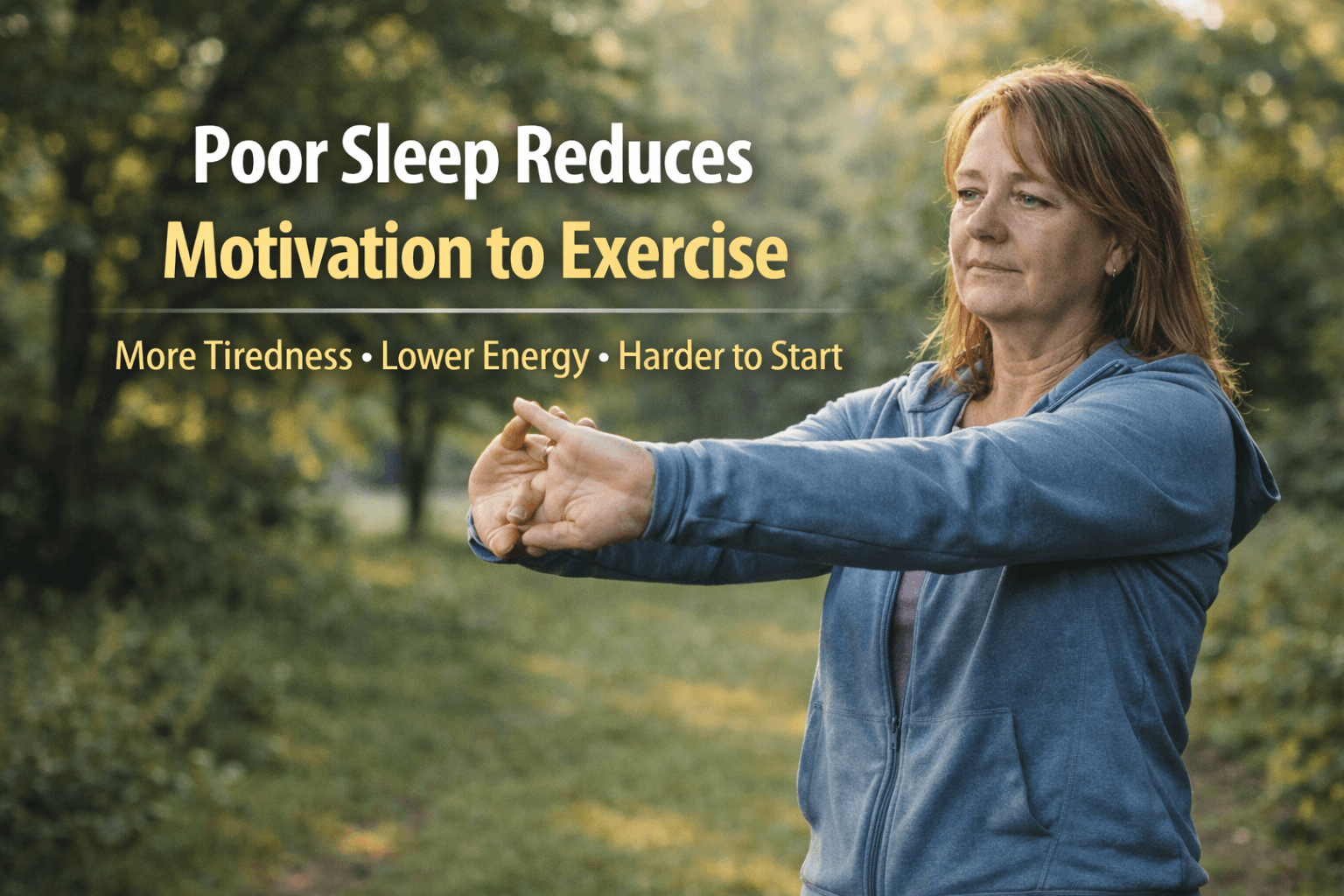
Why Poor Sleep Reduces Motivation to Exercise (And What to Do About It)
If you’ve ever planned to exercise but struggled to follow through after a poor night’s sleep, you’re not alone.
In real life, motivation isn’t just about discipline — it’s heavily influenced by how rested you feel. What tends to happen is that when sleep is poor, even simple tasks can feel more demanding.
And over time, this can make staying consistent with exercise much harder.
Does Poor Sleep Affect Exercise Motivation? (Quick Answer)
Yes, poor sleep can reduce motivation to exercise by lowering energy levels, increasing fatigue and affecting mood. When you’re tired, your brain prioritises rest over effort, making it harder to start or stick to physical activity, even if you had planned to exercise.
Why Sleep and Motivation Are Closely Linked
- energy levels are lower
- physical effort feels harder
- mental motivation drops
In real life, this often looks like skipping a workout you had every intention of doing, simply because you feel too tired.
A common mistake people make is blaming themselves for a lack of discipline, when in reality, their body is responding to fatigue.
How This Affects Weight Loss Progress
- workouts becoming less frequent
- lower intensity when you do exercise
- difficulty building a routine
If you haven’t already, it’s worth reading Why Sleep Could Be the Missing Link in Your Weight Loss.
The Real-Life Pattern Behind It
- poor sleep leads to low energy
- low energy leads to missed workouts
- missed workouts affect motivation further
If this sounds familiar, you may also find it helpful to read Why Waking Up Tired Makes Weight Loss Feel Harder.
How to Stay Consistent (Even When Tired)
- lowering the intensity on low-energy days
- focusing on shorter or lighter sessions
- building movement into your day
- prioritising consistency over perfection
The Key Takeaway
Poor sleep doesn’t just affect how you feel — it affects what you do.
By improving sleep and adjusting expectations, it becomes much easier to stay consistent with movement.
Have you noticed how different exercise feels after a good night’s sleep? That’s often where consistency becomes easier.
Get weekly weight loss tips
Join our newsletter for provider updates, expert guidance, and exclusive offers — no spam.
Subscribe free