How Exercise Affects Weight Loss
Exercise does far more than burn calories. It helps protect muscle, improve your metabolism, support long-term weight loss and boost your overall health. Here's how it really affects your body.
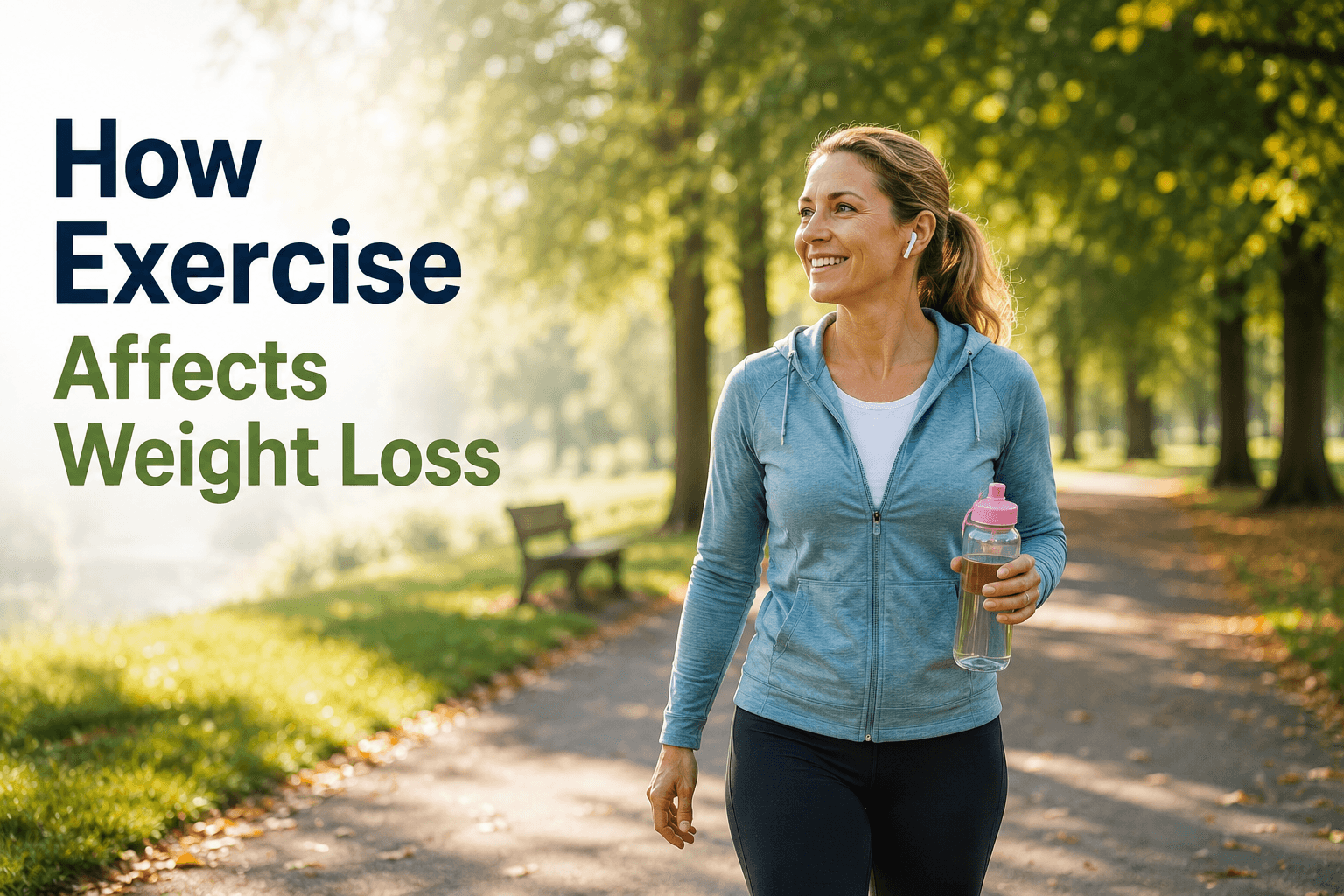
How Exercise Affects Weight Loss
When people decide to lose weight, exercise is often the first thing they think about. It's easy to believe that the harder you work out, the faster the weight will come off. In reality, exercise plays a much bigger role than simply burning calories.
It helps your body work more efficiently, supports your overall health and makes it easier to maintain weight loss over the long term. Understanding how exercise affects your body can help you set realistic expectations and stay motivated when progress feels slower than expected.
Featured Snippet
Exercise affects weight loss by increasing the number of calories your body uses while helping preserve muscle, improve fitness and support long-term health. Although exercise alone may not cause rapid weight loss, it becomes far more effective when combined with healthy eating and consistent lifestyle habits.
Exercise does more than burn calories
Burning calories is only one benefit of exercise. Regular movement also helps your body maintain muscle while you're losing fat. This is important because muscle supports your metabolism and helps you stay stronger and more active throughout the day.
Exercise can also improve your sleep, reduce stress and increase your energy levels. These changes might seem unrelated to weight loss, but they often make it much easier to stick to healthy habits.
If you'd like a complete overview of how exercise fits into a successful weight loss plan, read our guide on Exercise for Weight Loss: What Actually Works?.
Why results don't always appear straight away
One of the biggest frustrations people experience is exercising consistently but seeing little change on the scales.
There are several reasons for this. Your body can temporarily hold extra water while muscles recover, your fitness improves so you burn slightly fewer calories doing the same activity, and increased appetite may lead to eating a little more without realising it.
That doesn't mean your exercise routine isn't working.
Many people notice positive changes in their energy, fitness, strength and confidence before significant weight loss becomes visible. Looking beyond the scales often gives a much clearer picture of your progress.
Building the right routine
The best exercise plan isn't necessarily the hardest one. It's the one you can continue doing week after week.
Walking, cycling, swimming and strength training can all support weight loss. Rather than searching for the perfect workout, focus on finding activities you genuinely enjoy. Consistency will always deliver better long-term results than short bursts of intense exercise.
If you're unsure which type of activity suits your goals, our article on Best Types of Exercise for Weight Loss compares the most effective options.
Conclusion
Exercise is one of the most valuable tools for improving your health and supporting weight loss, but it isn't just about burning calories. It helps protect muscle, improves fitness, boosts wellbeing and makes healthy habits easier to maintain.
Instead of expecting instant results, focus on building a routine you enjoy. Over time, those small, consistent efforts often lead to the biggest and most lasting changes.
Get weekly weight loss tips
Join our newsletter for provider updates, expert guidance, and exclusive offers — no spam.
Subscribe free