Does Napping Help or Hinder Weight Loss?
A short afternoon nap can rescue a tired day, but long naps may work against you. Here's how napping affects weight loss and how to nap without wrecking your night.
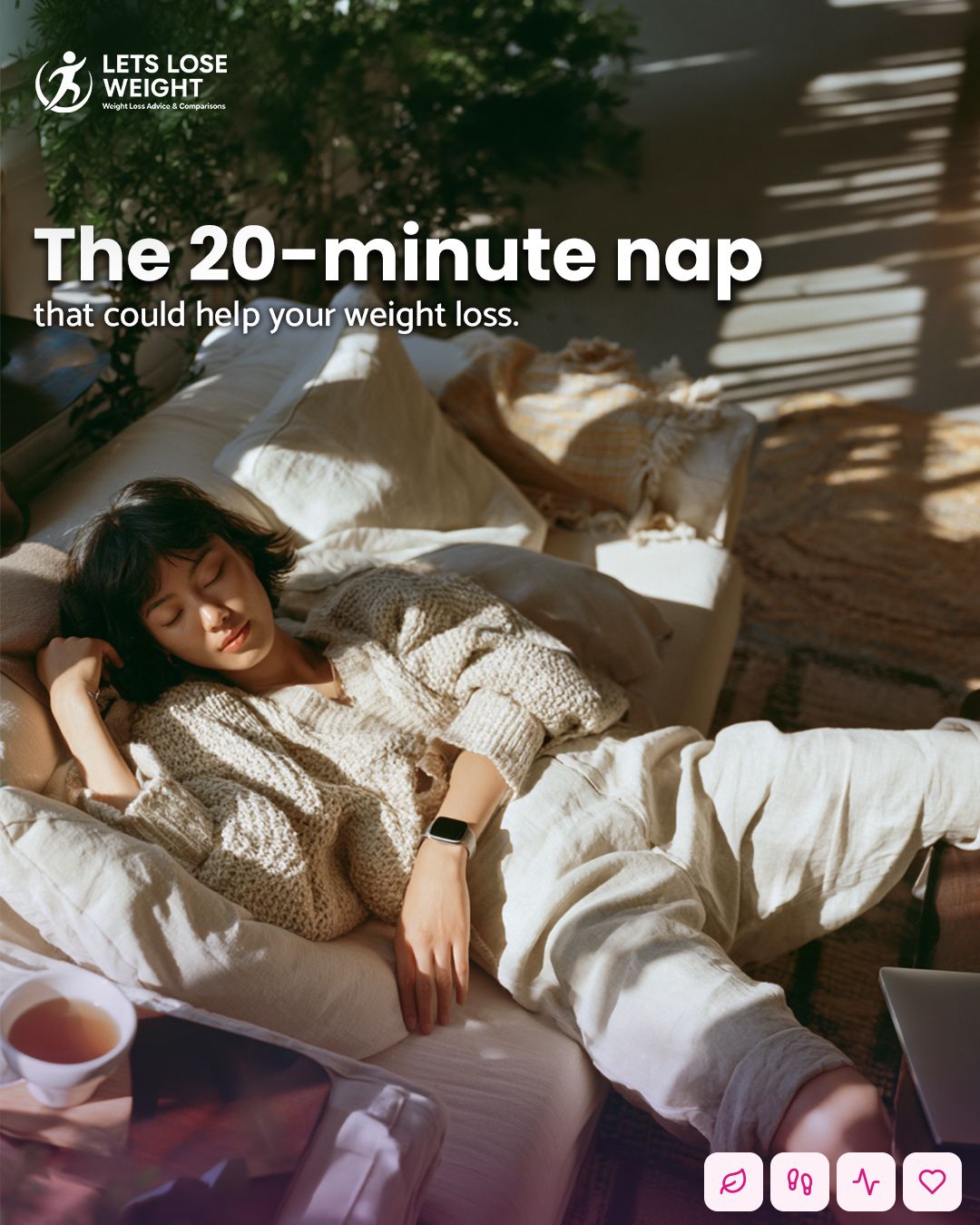
Does Napping Help or Hinder Weight Loss?
There's a moment most afternoons, usually somewhere between two and four, when your eyelids feel heavy and the biscuit tin starts calling. Some people swear by a quick nap to get through it. Others feel guilty even thinking about it, as though lying down in the daytime is somehow lazy.
So which is it? When you're trying to lose weight, does a nap help you stay on track, or does it quietly work against you?
Is napping good or bad for weight loss?
Napping can help weight loss when it's short, ideally 10 to 20 minutes taken before mid-afternoon, because it eases tiredness that would otherwise drive snacking. Long naps of an hour or more are linked with higher weight and can disrupt night-time sleep, which makes managing appetite harder the following day.
When a nap genuinely helps
In real life, a lot of afternoon eating has nothing to do with hunger. It's tiredness wearing a hunger costume. You reach for something sweet because your brain wants a quick lift, not because your body needs fuel.
A short nap tackles the real problem. Twenty minutes of rest can sharpen your focus, lift your mood and take the edge off that urge to graze. You wake up feeling human again, and the evening's decisions, what to cook, whether to go for that walk, become easier.
It's also a sensible tool for people whose nights are already broken, such as new parents, carers or anyone working shifts that disrupt weight loss. Research on night-shift nurses found that those who napped at work showed a weaker link between night work and higher BMI than those who didn't.
When napping works against you
What tends to happen with longer naps is a slide into deep sleep. Wake up from that and you feel worse: groggy, heavy and oddly irritable for half an hour or more. That fog is exactly when people raid the fridge.
Studies have found that adults who regularly nap for 30 minutes or more tend to have a higher BMI and blood pressure than those who don't. Part of that may be because long naps are often a sign of poor night-time sleep in the first place. But they can also keep the problem going.
A late or long nap reduces your natural sleep pressure, so you lie awake at bedtime, sleep less and wake up tired again. It's a pattern that feeds directly into irregular sleep and slower weight loss, and it can become a habit before you've noticed.
How to nap well
If you want a nap to support you rather than undermine you, a few simple rules make all the difference:
- Keep it to 10 to 20 minutes and set an alarm
- Nap before about 3pm so it doesn't eat into your night
- Lie down somewhere comfortable but not your bed under the duvet, which invites a longer sleep
- Try a cup of tea or coffee just before, as the caffeine kicks in as you wake
- Get up straight away, open a window or step outside for a few minutes of daylight
Who should think twice
A common mistake people make is using naps to patch over a bigger problem. If you need a nap every single day, struggle to stay awake while driving or still feel exhausted after a full night in bed, it's worth speaking to your GP. Persistent daytime sleepiness can point to a sleep disorder or another health issue that deserves proper attention.
And if you struggle with insomnia, daytime naps usually make it worse. In that case, it's better to push through the afternoon dip with a brisk walk and protect your night.
The verdict
A nap isn't cheating, and it isn't lazy. Used well, a short rest can be a practical way to stop tiredness steering your eating. Keep it brief, keep it early, and let your night-time sleep remain the main event.
Get weekly weight loss tips
Join our newsletter for provider updates, expert guidance, and exclusive offers — no spam.
Subscribe free