Can Anxiety Cause Weight Gain? Why Worry Can Show Up on the Scale
Wondering whether anxiety is behind the weight you've gained? Here's how constant worry, avoidance, poor sleep and medication can affect your weight, and what genuinely helps.
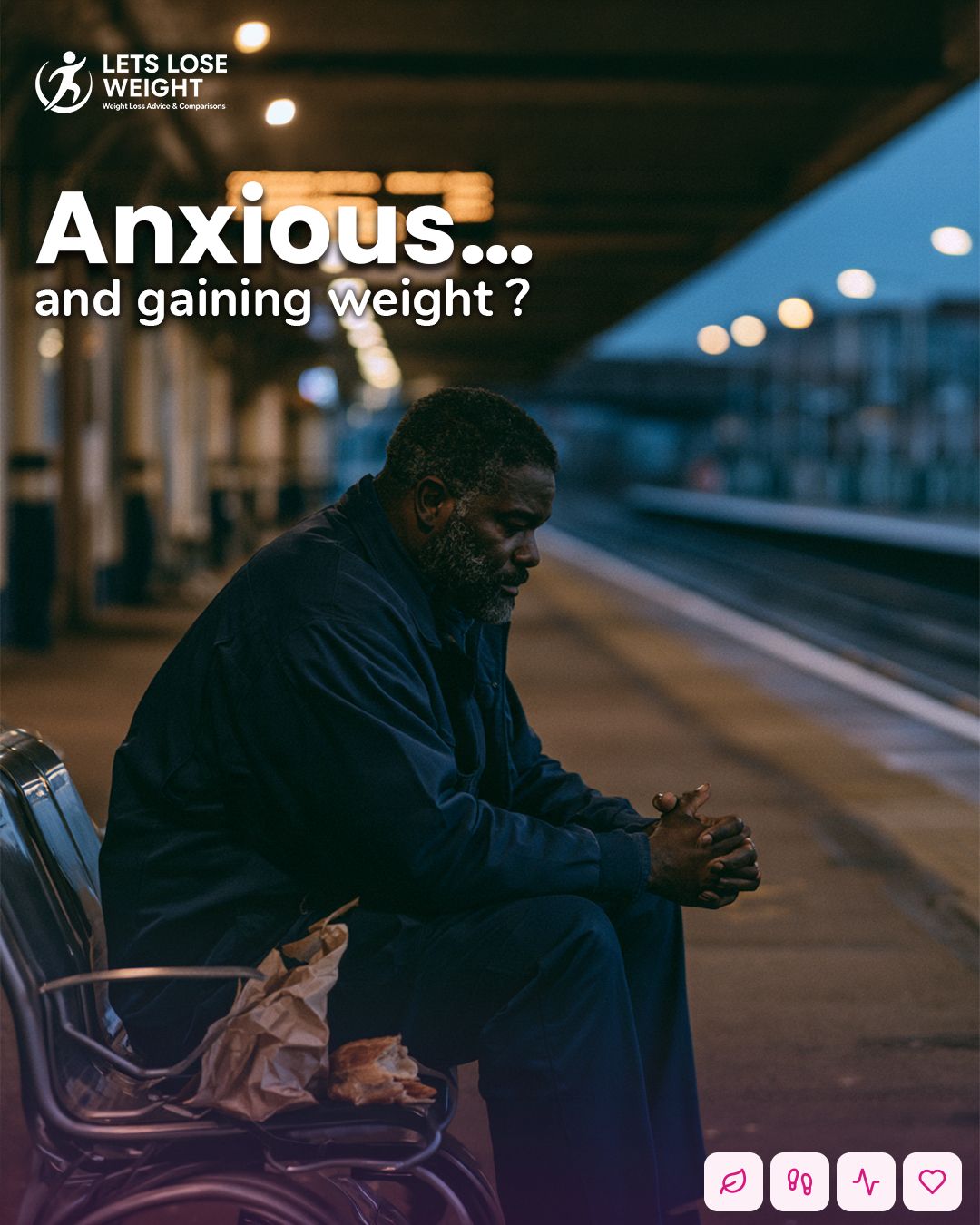
Can Anxiety Cause Weight Gain? Why Worry Can Show Up on the Scale
Anxiety is often described as something that leaves people too wound up to eat. So if you've been anxious for months and your weight has crept up instead, it can feel as though your body is doing the opposite of what it's supposed to. You're not imagining it, and you're certainly not alone.
Can anxiety cause weight gain?
Yes, anxiety can cause weight gain, although it doesn't happen to everyone. Ongoing worry keeps stress hormones raised, disturbs sleep and turns food into a quick source of comfort. Some people also move less because anxiety makes them avoid situations, and certain anxiety medications can add to it. For others, anxiety does the reverse and blunts appetite.
How anxiety shows up in everyday eating
What tends to happen is quieter than a binge. Anxiety often means grazing, because a biscuit gives your hands and mind something to do while you're on edge. It can mean eating quickly and barely tasting anything, or eating when your stomach churns because you assume that churning is hunger.
That's slightly different from the wider link between stress and emotional eating. With anxiety, food is often less about soothing one bad day and more about managing a constant, low hum of unease.
The avoidance nobody talks about
Anxiety shrinks your world a little at a time. You skip the exercise class because walking in feels like too much, turn down the walk with a friend, or order your shopping online to avoid busy aisles. None of it feels significant, yet over a few months you're moving far less than you used to.
Poor sleep adds another layer. Lying awake running through worst-case scenarios leaves you tired and hungrier the next day, as our complete guide to how stress affects weight loss explains.
If you're on medication
Some antidepressants prescribed for anxiety can increase appetite or lead to weight gain. Please don't stop taking them on your own. Speak to your GP instead, as there are often alternatives or adjustments worth discussing.
What genuinely helps
You don't need to fix your anxiety completely before you can look after your weight. Small, steady changes tend to work better:
- Keep something crunchy and filling nearby, such as an apple or carrot sticks, for restless moments
- Eat meals sitting down, away from your phone and laptop
- Choose movement that feels safe, like a quiet walk at the same time each day
- Take a few slow breaths before deciding whether you're actually hungry
The bottom line
Anxiety can affect your weight through eating, movement, sleep and sometimes medication. Be patient with yourself, get support for the anxiety itself, and trust that progress usually returns as you start to feel steadier.
Get weekly weight loss tips
Join our newsletter for provider updates, expert guidance, and exclusive offers — no spam.
Subscribe free